






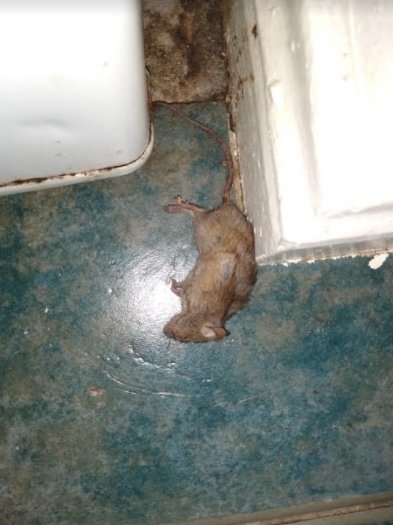

Can you hear little footsteps moving in your ceiling? Did you notice little black droppings (rice-sized) or nibbled packaging in your kitchen presses? Then you probably have a mouse problem. Check our advice below or contact us for help.
It is essential to get rid of mice for a number of reasons:
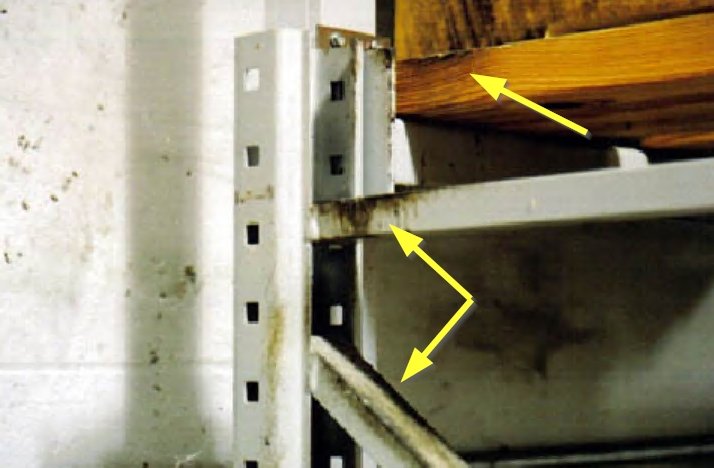
Mice are most active at night, but they can be seen occasionally during daylight hours. Remember that mice are very flexible and fit through 6mm gaps, so check for any holes in your walls or around skirting boards that mice may use to get access and start plugging them up.
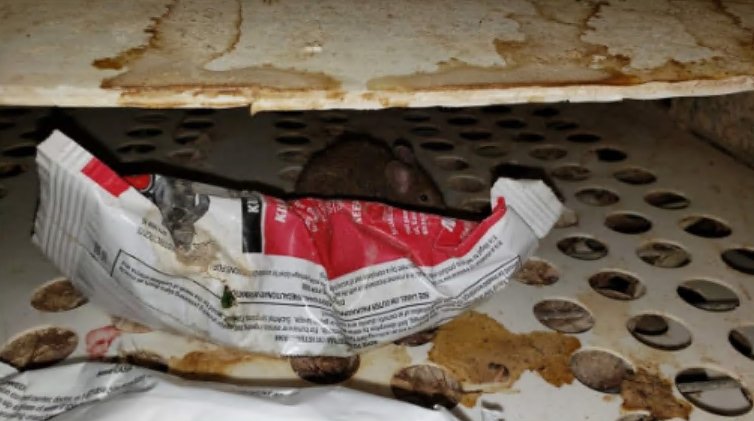
In the case of a minor infestation, mice are not necessarily seen, but there are many signs that give away their presence so you should first look for the source:
Mice are attracted to stored food. A mouse only eat 2 to 4 grams per day of almost anything, but it prefers cereal grains, seeds, or sweet material. The House mouse require very little water, obtaining most of its water needs from their food. It is therefore paramount to remove all food access to mice:
From then on, always be aware to keep your kitchen clean and sweep up any foods in order to prevent mice from being attracted.
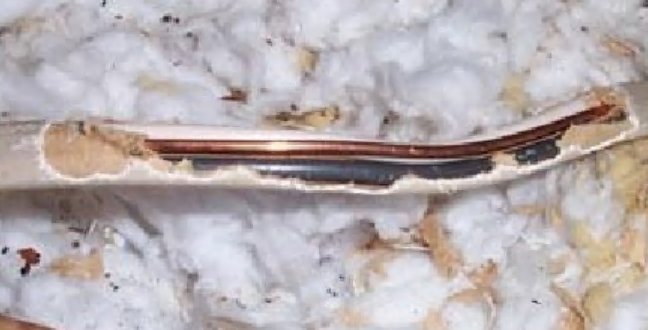
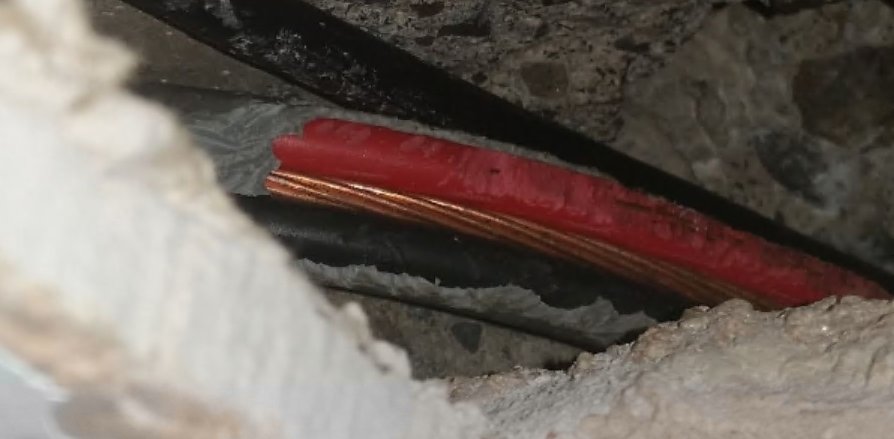
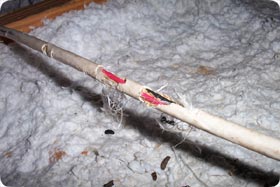
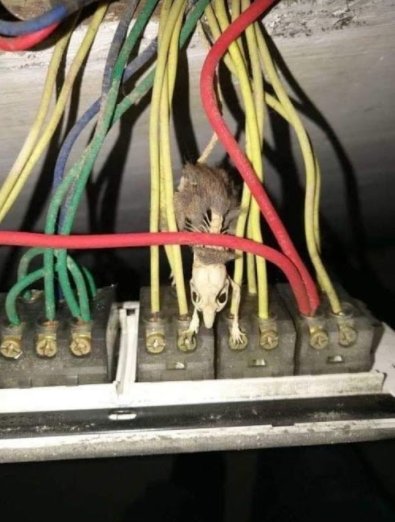
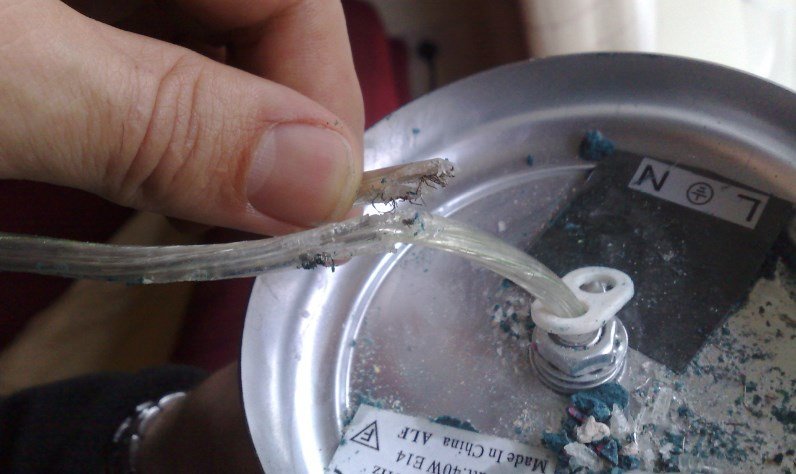
In appropriate living conditions (food, water, and shelter), mice can multiply rapidly: they produce about 8 litters in a one year and each mouse litter has 4-7 pups. It is important to get pest control for mice quickly before the infestation gets out of hands and they damage pipes, cables, insulation, and infest your home or work place.
There are three options available to get rid of mice. These consist of DIY rodent poison, mouse traps and professional rodent control specialists. If you are a landlord you may also have a legal obligation to ensure that your property is free of rodents so you should choose between one of these methods and keep records of all your actions.
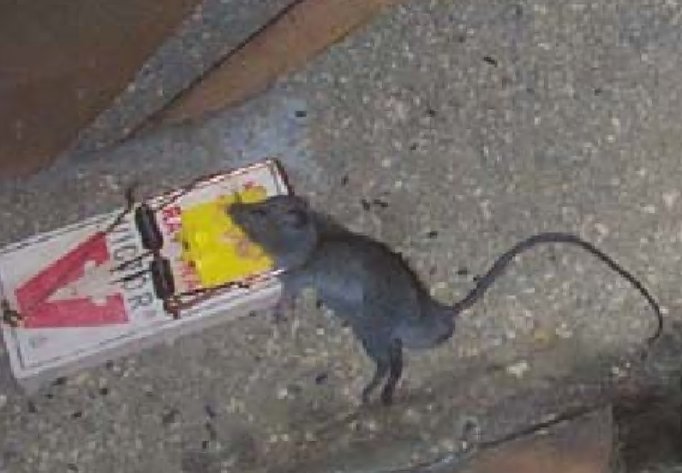
Spring traps may be the most widely used pest control for mice remedy. Traps act are relatively inexpensive, they work very quickly and do not require a lot of skills. Snap traps are also a chemical-free way to get rid of mice. You just need to place the trap where you expect mice to emerge and wait. When a mouse visits the trap it triggers it and gets caught on it, so all you need to do is to dispose of it.
There are two difficulties when using traps:
Mouse poison bait is relatively cheap and easy to use. All is needed is to get the mice to eat it. It is usually in the form of cereal food. The advantage to use poison as pest control for mice is that it does not have to be reset like the traps. You simply put it down and let it do its job.
The downside of new poison is that EU has recently brought a lot of restrictions on the use of poison, and amateur products are now only half the strength of what they used to be (25ppm). Also if not used properly it will not work. You must read the label directions and follow them carefully or else your mice problem won’t go away.
This may be initially more costly than DIY options, but it is the fastest way to eliminate mice. Trained and experienced professionals will save you the effort and reduce the risks to your family’s health and property damage.
Besides if 100% control is not achieved rapidly, mice may rebuild their population or reproduce quicker than traps can catch them. There are also instances where mice cannot be accessed, e.g. nests in ceilings, walls, attics, under floorboards etc.
For all these reasons, it may be preferable to consult a professional Pest Controller who will know precisely how to handle each situation to achieve complete mice control.
Pest Control for mice is the day-to-day work of Owl Pest Control’s Technicians, who are qualified and work with the most effective rodent control products available for professional use. They have decades of experience and knowledge required to get rodents quickly from any tricky area around your home or office, e.g.:
The final part of mice control is to make sure they are not coming back:
If you want to use natural repellents, peppermint oil should be your first choice. Although it will not remove mice from your home, peppermint oil is a very good mouse deterrent which can be used as a preventative measure or after you got rid of mice from your home, apartment or business.
Just make sure you buy 100% pure peppermint oil, as diluted oil will not repel mice. Also do not over-use peppermint oil because it has a very strong odour. All you need is to soak a couple of cotton balls in the oil and dispose them where mice may enter your property.
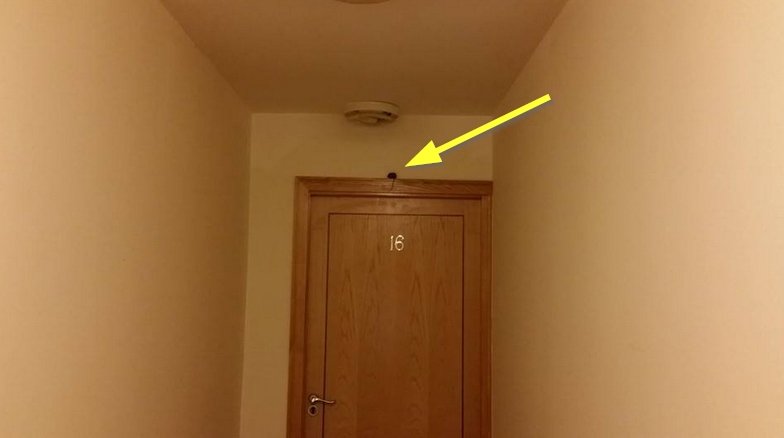
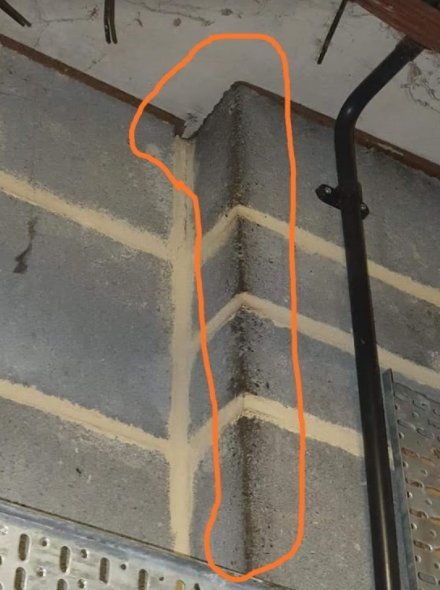
You should also focus on mice entry points and try to seal them:
| Cookie | Duration | Description |
|---|---|---|
| cookielawinfo-checkbox-advertisement | 1 year | The cookie is set by GDPR cookie consent to record the user consent for the cookies in the category "Advertisement". |
| cookielawinfo-checkbox-analytics | 11 months | This cookie is set by GDPR Cookie Consent plugin. The cookie is used to store the user consent for the cookies in the category "Analytics". |
| cookielawinfo-checkbox-functional | 11 months | The cookie is set by GDPR cookie consent to record the user consent for the cookies in the category "Functional". |
| cookielawinfo-checkbox-necessary | 11 months | This cookie is set by GDPR Cookie Consent plugin. The cookies is used to store the user consent for the cookies in the category "Necessary". |
| cookielawinfo-checkbox-others | 11 months | This cookie is set by GDPR Cookie Consent plugin. The cookie is used to store the user consent for the cookies in the category "Other. |
| cookielawinfo-checkbox-performance | 11 months | This cookie is set by GDPR Cookie Consent plugin. The cookie is used to store the user consent for the cookies in the category "Performance". |
| viewed_cookie_policy | 11 months | The cookie is set by the GDPR Cookie Consent plugin and is used to store whether or not user has consented to the use of cookies. It does not store any personal data. |
| Cookie | Duration | Description |
|---|---|---|
| YSC | session | This cookies is set by Youtube and is used to track the views of embedded videos. |
| Cookie | Duration | Description |
|---|---|---|
| IDE | 1 year 24 days | Used by Google DoubleClick and stores information about how the user uses the website and any other advertisement before visiting the website. This is used to present users with ads that are relevant to them according to the user profile. |
| test_cookie | 15 minutes | This cookie is set by doubleclick.net. The purpose of the cookie is to determine if the user's browser supports cookies. |
| VISITOR_INFO1_LIVE | 5 months 27 days | This cookie is set by Youtube. Used to track the information of the embedded YouTube videos on a website. |
| Cookie | Duration | Description |
|---|---|---|
| _ga_devsite | 2 years | No description |
| CONSENT | 16 years 7 months 12 days 14 hours | No description |
